
My 3D printer now does auto-leveling using a proximity sensor and an external control board. This DIY PCB article describes completion of printed circuit board used in this project.
My 3D printer now does auto-leveling using a proximity sensor and an external control board. This DIY PCB article describes completion of printed circuit board used in this project.

Have you ever wanted to build your own radio receiver? Looking for a challenging but fun software project? Coding SDR meets both objectives. It is a project within reach of radio hobbyists with a bit of skill in writing software. Here are some ideas.

It’s amazing that after so many years with radio and electronics hobbies, I had never created a DIY PCB scratch. Oh, sure, I have used printed circuit boards made by others many times. These were either purchased commercially, or fabricated to my design. But it was time to make my own. So, here goes.
Many people begin to use a 3D printer for making toys, models, jewelry and art. These are more aesthetic than practical. But there are many practical ways to use a 3D printer around the house or workshop.
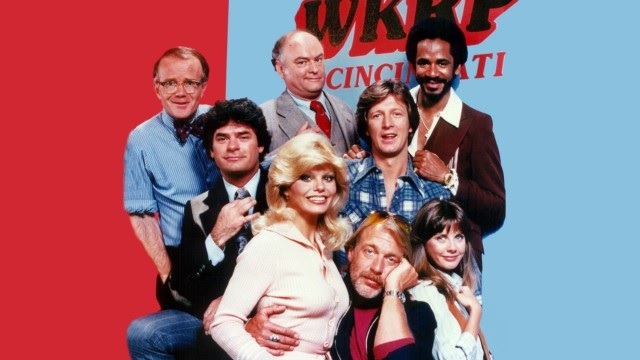
One day in the early 1980’s I was watching one of the funnier shows on television – WKRP in Cincinnati. WKRP was a situation comedy, running from 1978-1982, based on a struggling major market radio station. I had what writers call an epiphany, a sudden and striking realization. WKRP was not a comedy. WKRP was reality. WKRP was me! It was time to move on.

Getting the first layer right is the holy grail of 3D printing. This is hard if your print bed is not completely level. Here’s the story of why and how I added 3D printer auto leveling to my Sunhokey Prusa i3.

Anyone with a computer and $25 can play with SDR. You can listen to and watch radio signals: AM, FM, shortwave, public safety, airplanes, satellites, even phones. An example of cheap SDR is the USB dongle described in a recent article.
What is SDR radio? SDR stands for software defined radio. This means a radio whose functions and capabilities are defined by software rather than hardware. Here’s how that happened.

Ham radio transmissions can interfere with television reception. This is called television interference, or ham radio TVI. Consumer adoption of cable television has significantly reduced ham radio TVI. But the introduction of IPTV, or television over phone systems, has brought ham radio TVI back, often with a vengeance. Here’s why.
This article could equally be titled “how I learned to write good software”. During the 1990’s, I rekindled my interest in shortwave and ham radio. Like many, my hobbies had been placed on hold for twenty years while we raised a family and I did the “career thing.” Sound familiar?
This video tells the story of Ergo – what it is and what it does. Basically, it is a software program that combines control of radios, databases of stations and tools to support a shortwave radio listener. Since this is well described in the video, I am going to focus this article on how a few things I learned about writing software.

My career in broadcasting started in student radio. Right there, in the chair of the studio shown above at the University of Manitoba. Since the 1940’s, student radio has been a place for young people to develop and pursue passions and careers. I am planning to write a short history of UMSR. Can you help? I would love to hear your stories and get a copy of your pictures. In the meantime, here is the short version of student radio at University of Manitoba. There are similar stories at most universities and colleges across Canada.